The complete guide
Immersive Dining: The Complete Guide to the Trend
This guide brings together the practical basics of
immersive dining — the sensory elements that define it,
how the format evolved, and what diners and organizers
alike should understand about how these experiences
actually come together.
Why "immersive" is more than a marketing label
The term gets applied loosely, but a genuinely
immersive experience is distinguished by deliberate
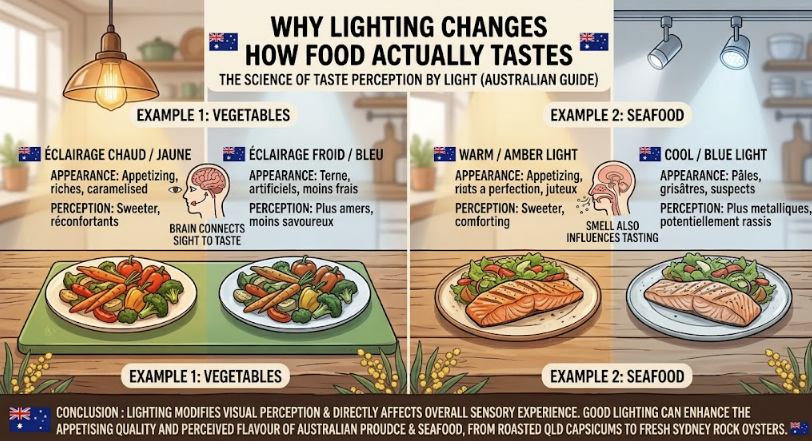
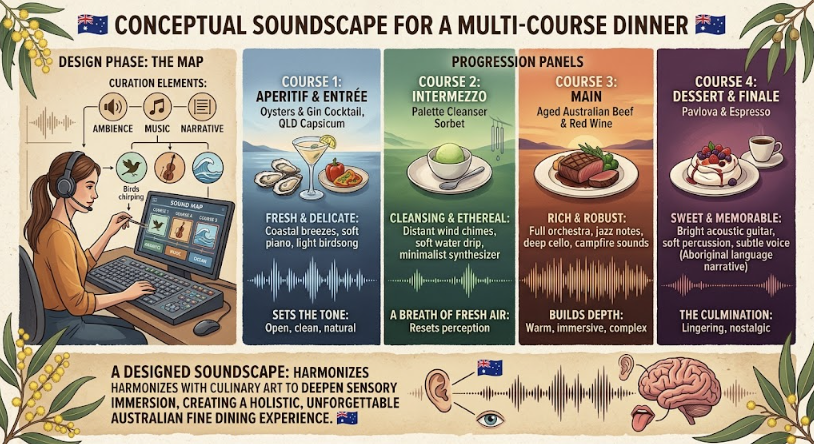
coordination between sensory elements — sound, light,
and space designed together around a specific intention,
rather than a nice ambience layered on top of an
otherwise conventional dinner service.
| Element | Typical Role |
|---|
| Sound design | Sets pacing and emotional tone across courses |
| Lighting | Directs attention and marks transitions |
| Spatial staging | Shapes movement and social dynamics between guests |
| Narrative | Gives the evening a throughline beyond the food itself |
Why pop-up formats suit experimentation better than permanent venues
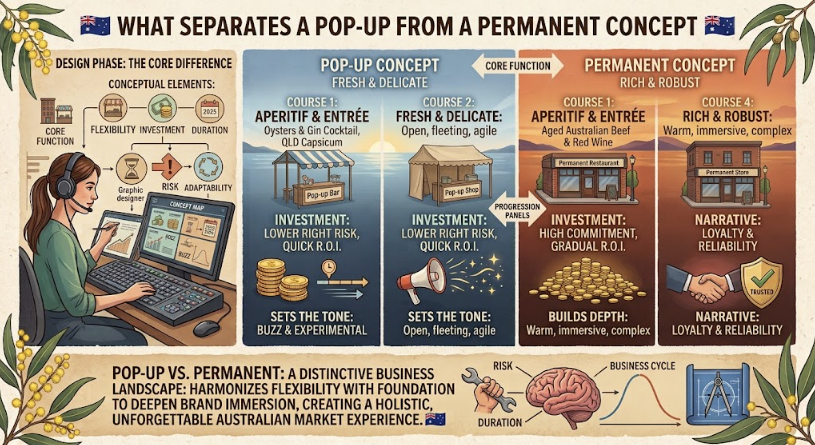
A temporary venue carries far less risk when testing an
unconventional spatial layout or unusual technical
setup than a permanent restaurant, where the same
infrastructure needs to serve every service, every
night, regardless of concept. This flexibility is a
major reason so many immersive concepts begin as
short-run pop-ups rather than permanent openings.
What diners should realistically expect
Immersive formats typically run longer than a standard
dinner, often with less flexibility around dietary
substitutions or seating preferences, given how tightly
each course is choreographed with sound and lighting
cues. Understanding this trade-off in advance generally
leads to a better experience than expecting standard
restaurant flexibility.
Why timing rehearsals matter more than a typical service
Because lighting and sound cues are tied to specific
moments in the meal, even small kitchen delays can
throw off the intended experience in ways that don't
occur in conventional dining. Teams behind well-run
immersive events typically rehearse full service
run-throughs well before opening night.
Frequently Asked Questions
Is immersive dining always more expensive than a regular fine dining meal?
Often, yes — the additional technical production, rehearsal time, and typically shorter run limit economies of scale compared to an ongoing restaurant operation.
Can immersive dining work in a small, permanent restaurant space?
To some extent — lighting and sound design can be adapted to smaller venues, though the most ambitious spatial staging usually requires more flexible, purpose-built spaces.
How long does planning an immersive dining event typically take?
Depending on scale, meaningful planning and rehearsal often takes several months, considerably longer than launching a standard restaurant menu.
We publish more immersive dining and multisensory design
articles regularly on our blog.